Diversified chiropractic manipulative treatment
One treatment, delivered four different ways.
Diversified means more than one technique is used, because no two bodies or presentations are the same. Below is what each of the four looks like in practice, and who it tends to be for. Which one you get on a given visit is decided in the room, not on this page.
Treated most often: Back pain, Neck pain, Extremity pain, Numbness, Disc injuries, Sports injuries, Workplace injuries, Auto injuries. If yours is not on that list, call and ask.
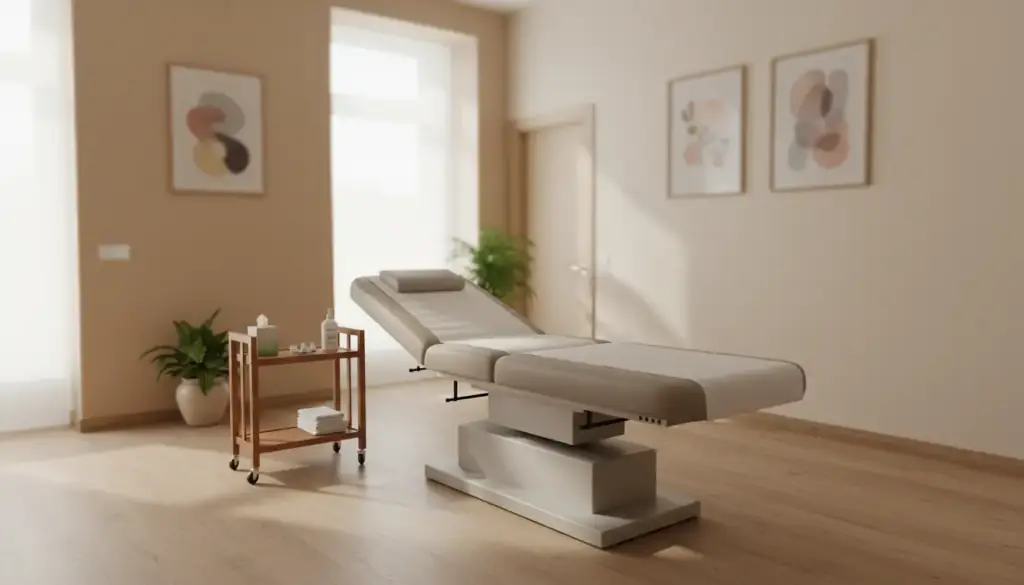
Delhi Chiropractic has used diversified treatment from the same Eaton Rapids Rd office since 2005. Call (517) 699-0909.
The main treatment
Diversified chiropractic manipulative treatment
More than one technique, chosen for the person on the table that day, not applied as a single protocol.
Diversified means chosen, not fixed
Diversified chiropractic manipulative treatment is the main treatment used in the office, and the name describes the approach rather than a single move. Multiple techniques are available because each person's body and presentation differs, so the technique used on you is picked for you rather than run the same way for everyone who walks in.
That is the whole idea behind the four techniques on this page. None of them is the default and none of them is optional extra work. They are the same treatment, delivered in whichever of the four ways fits the person and the day.
The hands-on adjustment, and who it suits
The hands-on version includes high-velocity, low-amplitude adjustments, the kind most people picture when they think of a chiropractic visit. It is varied per patient rather than delivered as one fixed technique, and the same range of hands-on work is effective for the largest people and the toughest cases while staying gentle enough for the youngest, oldest or most fragile patients.
That range is why an appointment does not need a separate track for a large athlete and a small older patient. The technique changes with the person, the treatment does not.
The pop, and what it actually is
The cracking or popping sound some people hear during an adjustment is gas releasing from a joint as the pressure inside it changes, the same thing that happens when you crack your knuckles. It may happen and it may not on any given visit.
Either way, the result of the adjustment is the same. The sound is not the treatment working, it is a side effect that sometimes shows up and sometimes doesn't.
Delhi Chiropractic. Call (517) 699-0909 to ask whether this is the right technique for your case.
When an adjustment is not the call
Flexion-distraction
Table-based decompression for the spine and the nerves running out of it, for the cases a hands-on adjustment isn't right for.
Decompression, not manipulation
Flexion-distraction is a table-based technique aimed at the spine and the nerves that run out of it, built around gentle decompression rather than the high-velocity movement used in a hands-on adjustment. It is one of the four techniques inside diversified treatment, used when decompression is the better fit for what is going on.
The table does the work of creating space along the spine while the treatment stays controlled and slow, which is the point of using it over a faster hands-on move for the right case.
Who it tends to be used for
This is the route most often reached for with disc injuries and with numbness, where the goal is relieving pressure on a nerve rather than adjusting a joint directly. It sits alongside hands-on adjusting and instrument adjusting as one of the options chosen per patient rather than applied to everyone.
Why it's the gentle route
Treatment in the office is always as gentle as possible and within the patient's tolerance and preferences, and flexion-distraction is part of how that is delivered in practice. When a high-velocity, low-amplitude adjustment is not the right tool for a disc injury or a case involving numbness, this is the alternative that stays inside what the patient can take.
As with every technique here, there is no pressure to keep coming back on a set schedule once it has helped.
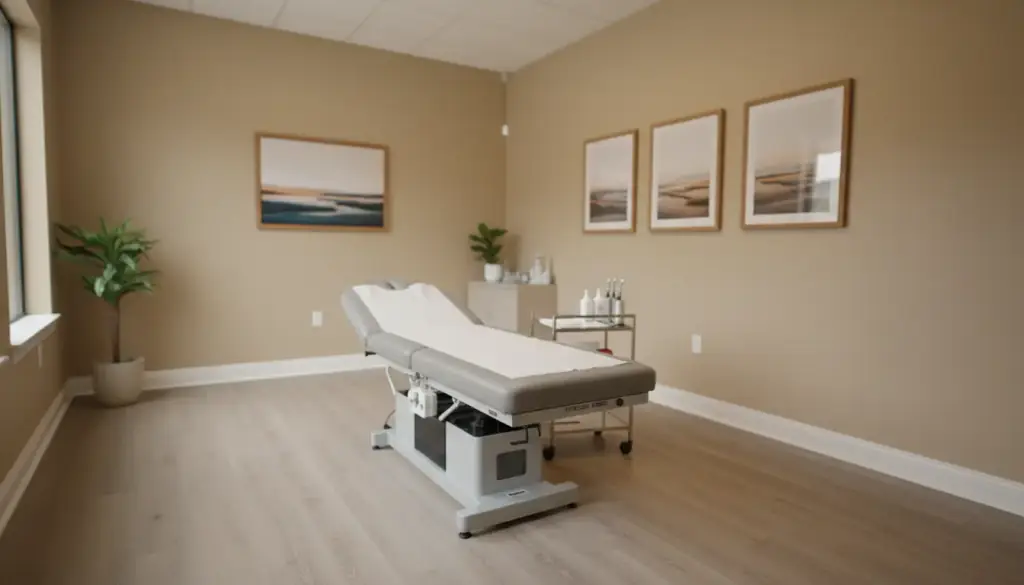
Delhi Chiropractic. Our professional staff is licensed and insured for your protection and ours too. Call (517) 699-0909.
For sensitive patients and sensitive areas
Instrument adjusting
An adjusting instrument in place of hands, for patients and areas of the body where that is the better fit.
Why an instrument instead of hands
Instrument-adjusting uses a handheld adjusting instrument rather than a hands-on move. It exists in the room specifically for sensitive patients and for sensitive areas of the body, where a hands-on high-velocity adjustment either is not comfortable or is not the right amount of force.
It is still diversified treatment, just delivered with a different tool for the person in front of it that day.
The youngest, the oldest and the most fragile
The same office treats the largest people and the toughest cases with hands-on adjusting, and reaches for the instrument instead where hands are not the right call, including for the youngest, oldest or most fragile patients. It's a way of keeping the same underlying treatment available to everyone who walks through the door, regardless of what their body can take that day.
Staying inside your own tolerance
As with every technique on this page, the choice of instrument over hands is made around the patient's own tolerance and preferences, not a standard protocol applied to everyone. Nobody is pressured to accept a technique that doesn't feel right for them, and nobody is pressured to buy a package of future visits to get it.
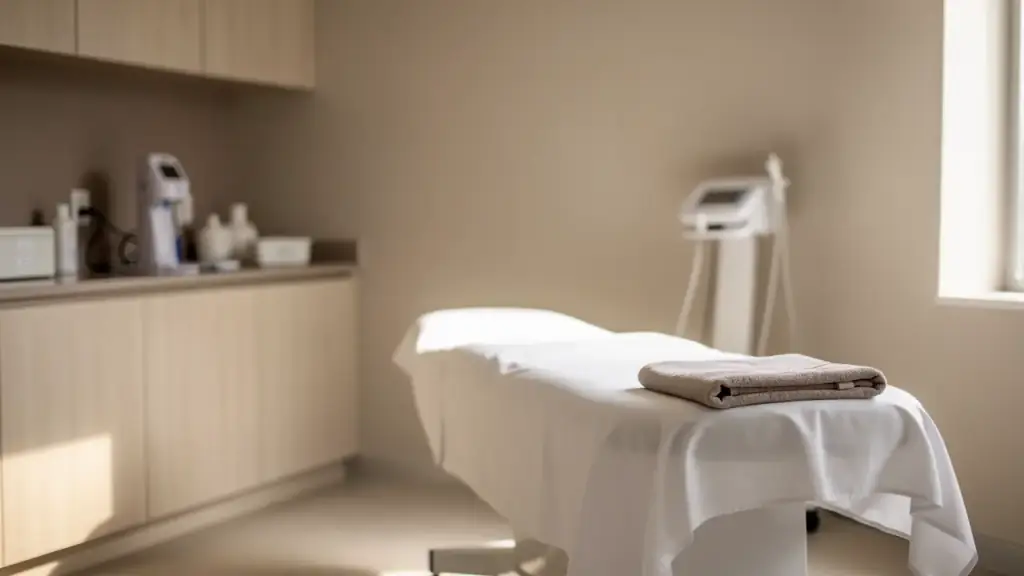
Delhi Chiropractic. Call (517) 699-0909 to ask what soft tissue work would look like for you.
Alongside the adjustment
Soft tissue and muscle work
Worked in with the adjustment itself, plus exercises and stretches to do in the office and at home.
What gets worked on, and why
Soft tissue and muscle work is incorporated alongside the other three techniques rather than sold as a separate service. An adjustment on its own addresses the joint; the muscles and soft tissue around it are a separate part of the same problem, and this is the part of the visit that handles them directly.
It's the reason a visit is not simply a joint being moved and nothing else. The tissue that holds the joint in place gets attention too.
Exercises and stretches, in-office and at home
This technique is paired with exercises and stretches, some done in the office and some given to do at home between visits. That homework is a real part of the treatment, not an optional handout.
How that prolongs the benefit
The in-office work and the at-home exercises together are what prolong the benefit of a visit rather than letting it fade by the next day. That is also part of why the office does not put patients on a standing, repeating appointment: the at-home piece is designed to carry the work between visits instead of requiring another visit to maintain it.
2600 Eaton Rapids Rd, Lansing MI
Not sure which of the four is right for you? That's a phone call, not a form.
Appointments are made by phone, and the technique used on your first visit is decided after Dr. Treloar or Dr. Walley has actually seen what's going on. No treatment packages, no standing appointment you didn't ask for.